
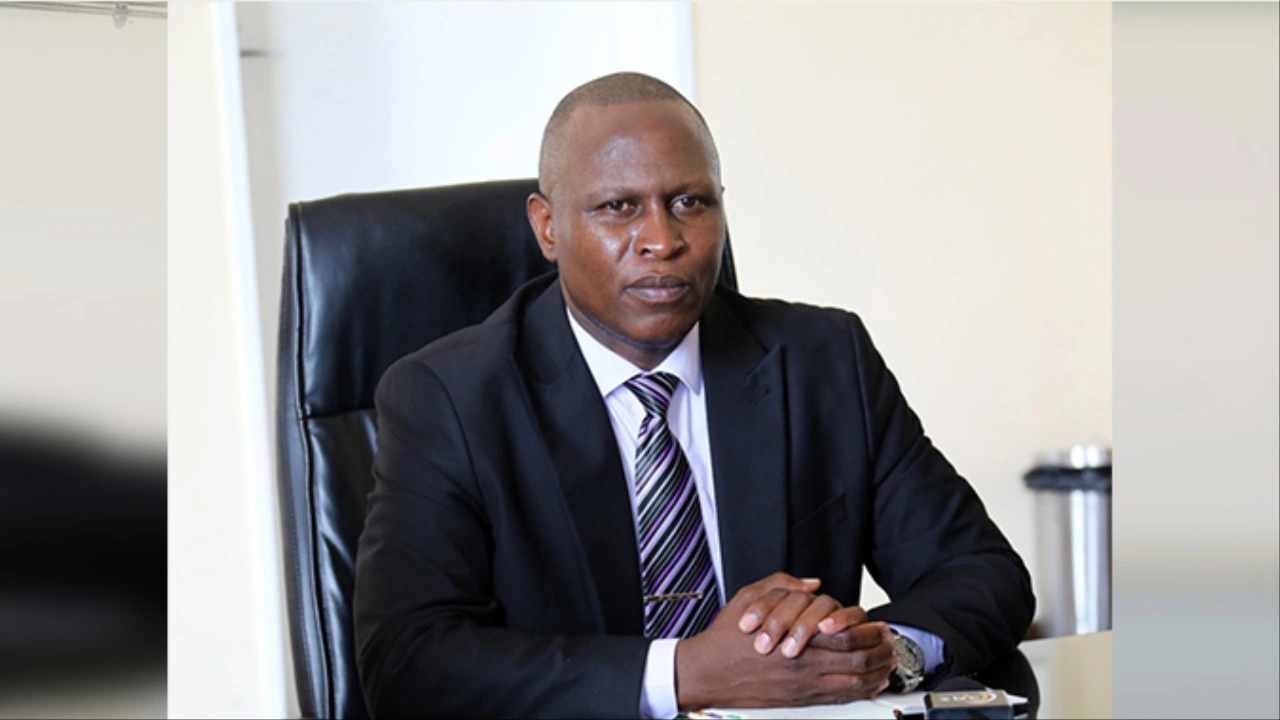
Brighton Muronzereyi
and Shamaine Chirimujiri
TO COMBAT Zimbabwe’s worsening suicide rates — which are now ranked as the third highest in Africa — the country requires targeted prevention programmes backed by immediate, coordinated action from all key stakeholders.
So say worried authorities and mental health experts, who warn that the long-term negative effects of unchecked suicide rates touch many levels of society very deeply.

Speaking to the Daily News — the country’s most influential newspaper — the government and specialists were also united yesterday on the urgent need to tackle the rampant local suicides, especially among men.
This comes amid increasing economic hardships in the country, which is worsening cases of drug and substance abuse among young people.
The deputy minister of Health and Child Care, Sleiman Kwidini, was among those who told the Daily News that it was critical that the country did everything in its power to mitigate the rising suicide rates.
“Currently, we are engaging with the Midlands State University on how best we can eliminate cases of suicide in the country.
“We need them to train more psychologists and social workers.
“We are also conducting campaigns across the country to raise awareness among the people,” Kwidini told the Daily News.
“One of the challenges we have is that some of the people who used to do this work have relocated to the diaspora, leaving a gap in the sector.
“As government, we have already started a programme to retrain psychologists and social workers.
“We have also opened new posts for specialists with assistance from the Treasury so that we can recruit and employ these professionals.
“This will ensure that people experiencing suicidal thoughts can engage with trained professionals and receive the help they need,” Kwidini said further.
Senior clinical psychologist at Gateway Mental Health, Farzana Naeem, said Zimbabwe needed to place greater emphasis on mental health promotion and support services.
“Zimbabwe is one of the countries that has not fully accepted the importance of mental health in general.
“I believe that authorities should do more to promote mental health, not only for severe illnesses, but also for conditions that are often not considered important.
“For instance, depression is frequently overlooked. There is a need to fund more seminars on mental health awareness, as well as allow greater advertising opportunities for mental health facilities,” Naeem said.
She also noted that the lack of acceptance of mental health issues was evident in public behaviour.
“When most people experience psychological problems and distress, they fear consulting mental health specialists.
“Their fear is based on labels and stigma.
“Many people believe that in order to consult a psychologist, one has to be mentally ill, unstable, or crazy, which contributes to their reluctance to speak openly about their emotions.
“Instead, they overthink and choose what they perceive to be the easy way out,” Naeem further told the Daily News.
Naeem confirmed that the country was witnessing more cases of suicides among men than women.
“Suicide rates are currently higher among men than women, which again points to the mental health awareness issue.
“Men usually find it difficult to express their emotions without encouragement.
“Therefore, more men’s conferences and programmes focusing on mental health are required.
“The economic structure also plays a part in this trend, and drug abuse is also a form of suicide.
“We find that many young people turn to drug abuse as a way of coping with economic challenges and social pressures,” Naeem added.
A psychiatrist, Sacrifice Chirisa, said there was an urgent need to increase funding for mental health services and strengthening public education on depression and other mental health conditions in the country.
“There is a great need for increasing mental health investments and awareness, and educating the public about depression because people often show warning signs such as persistent sadness, isolation and confusion before attempting suicide.
“It is crucial for friends, family and colleagues to look out for these indicators and provide help in any way possible.
“Traditionally, men are conditioned to suppress emotions, unlike women who tend to open up.
“Statistics show that in post-puberty, 18 to 20 percent of women experience depression, compared with nine to 10 percent of men in the same range.
“However, depressed men are more likely to commit suicide using lethal methods such as shooting or hanging, while women more frequently attempt suicide with less deadly methods like cutting or medication overdoses.
“Despite lower depression rates, men’s mental health deserves attention.
“Our society should encourage health-seeking behaviour in men,” Chirisa also told the Daily News.
On her part, the executive director of Men’s Ego Safe Haven (MESH), Berita Saranji, said government institutions needed to become more responsive to the challenges faced by men experiencing abuse and mental health difficulties.
“The government must train law enforcement agents, including the police and courts, to create a welcoming and conducive environment for men reporting abuse.
“As we observe Men’s Health Month in June, let us take the time as organisations and the government to encourage men and boys to prioritise their physical and emotional well-being, break the stigmas surrounding help-seeking, and focus on preventive healthcare.
“Given the prevalence of suicide among men, it is clear they are vulnerable.
“Therefore, authorities should consider setting up male-friendly desks at Victim Friendly Units, as men are unlikely to walk into a women’s shelter to report abuse.
“Institutions should also implement anti-bullying policies that strictly ban harassment like ‘man up’ or ‘don’t be a sissy’,” Saranji added.
All this also comes after the World Health Organisation’ (WHO) released data showing that Zimbabwe’s suicide rate stood at 25,4 deaths per 100 000 people — the third highest on the continent after Lesotho and Eswatini.
The WHO Global Health Observatory report also confirmed that men in Africa were disproportionately affected by suicide compared to women.
It attributed this crisis to a combination of socio-economic pressures, poverty, unemployment and limited access to mental health services.
The report also noted that many suicide cases remained unreported due to stigma, cultural taboos and weaknesses in community-based mental health data collection systems.
The top five African countries in terms of the highest suicide rates were Lesotho (36,7 per 100 000 people), Eswatini (31), Zimbabwe (25,4), South Africa (21,1), and Eritrea (20.2).