
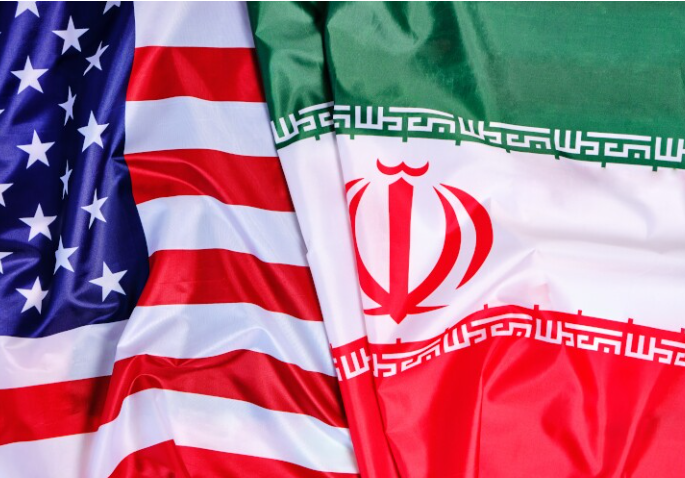
THE announcement of a 14-day ceasefire between the United States and Iran was initially welcomed as a breakthrough moment—a pause in a conflict that had threatened to engulf the Middle East and destabilise global security.
Yet, beneath this fragile calm lies a deeply fractured reality. The ceasefire is not peace; it is a temporary suspension of hostilities built on mistrust, competing strategic interests, and unresolved grievances.
As diplomatic efforts intensify, the world watches anxiously, aware that this narrow window could either open the door to lasting peace or slam shut into a far more devastating war.
The current ceasefire, brokered primarily through Pakistan’s diplomatic intervention, represents a tactical pause rather than a strategic resolution. Both Washington and Tehran entered the agreement with differing interpretations of its terms. While the United States views the truce as an opportunity to push Iran toward concessions—particularly regarding its nuclear programme and regional influence—Iran sees it as a moment to consolidate its position without yielding to external pressure.
This divergence is not merely rhetorical; it reflects deep-rooted mistrust. Iran had earlier rejected a longer, phased ceasefire proposal, instead advancing its own 10-point peace plan, signalling its unwillingness to accept conditions dictated by Washington. At the same time, US officials have dismissed Iranian proposals as insufficient or unrealistic, further widening the diplomatic gap.
Such mutual rejection underscores a fundamental problem: both sides are negotiating, but neither is truly compromising. This creates a dangerous dynamic where the ceasefire becomes less a pathway to peace and more a countdown to renewed confrontation.
Amid this tension, a significant diplomatic initiative has emerged from China and Pakistan. Their joint five-point peace proposal emphasises ceasefire enforcement, the reopening of critical trade routes such as the Strait of Hormuz, and the resumption of dialogue.
Pakistan, in particular, has taken a central role in mediating between the two adversaries. By hosting potential talks in Islamabad, it has sought to position itself as a neutral facilitator capable of bridging divides.
Meanwhile, China has provided strategic backing, leveraging its global influence and economic ties with Iran to encourage restraint and dialogue.
This partnership reflects a broader geopolitical shift. China’s involvement is driven not only by diplomatic ambitions, but also by its dependence on Middle Eastern energy supplies and its desire to present itself as a global stabilising force.
Pakistan, on the other hand, faces immediate regional security concerns, making stability a national priority. However, the effectiveness of this diplomatic push remains uncertain. The United States has shown limited enthusiasm for China’s mediation role, while Israel has openly questioned Pakistan’s involvement. Without unified international backing, even the most well-intentioned peace plans risk falling short.
One of the most critical threats to the ceasefire is the continued military activity in the region, particularly by Israel. Despite the agreement, Israeli forces have intensified strikes in Lebanon, arguing that the ceasefire does not apply to its operations there. These actions have not only escalated tensions, but also exposed the limitations of the ceasefire itself. Reports indicate that Israeli bombardments have resulted in significant casualties, raising international concern and prompting accusations of truce violations.
Iran has responded by warning of retaliation and taking strategic measures, such as disrupting oil tanker movements, signalling its readiness to escalate if provoked.
The situation in Lebanon has thus become a flashpoint, threatening to unravel the broader ceasefire arrangement. Compounding this instability are continued hostilities across the region, including missile and drone attacks targeting Gulf states. These incidents highlight the fragmented nature of the conflict, where multiple actors operate with overlapping, but not always aligned objectives.
As the 14-day ceasefire progresses, it increasingly resembles a ticking clock. Each day without a comprehensive agreement brings the region closer to renewed hostilities. The short duration of the truce itself reflects the urgency and fragility of the situation—it is a window for negotiation, but also a deadline that could trigger escalation if left unmet.
The fragility of the ceasefire was further exposed when US Vice President JD Vance revealed that Washington’s delegation failed to reach an agreement with Iran after 21 hours of intense negotiations in Islamabad. Despite what he described as “substantive discussions,” the talks collapsed over fundamental disagreements regarding Iran’s nuclear commitments, with both sides accusing each other of inflexibility.
This outcome is highly significant: it demonstrates that even prolonged, high-level engagement is insufficient to bridge the strategic divide. Critically, it signals that the ceasefire lacks a solid diplomatic backbone, increasing the likelihood that once the 14-day window expires, unresolved tensions could translate into renewed conflict.
Countries such as Qatar and Turkey have actively advocated for sustained engagement, emphasising the need to transform the ceasefire into a lasting peace framework.
Turkey, in particular, played a behind-the-scenes role in facilitating communication between the parties, helping to reduce misunderstandings. Qatar has similarly positioned itself as a mediator, consistent with its broader role in regional diplomacy. Yet, diplomacy faces formidable obstacles. The United States continues to demand strategic concessions, while Iran insists on sovereignty and security guarantees. These positions are not easily reconciled, especially where domestic political pressures and regional alliances influence decision-making.
The fragile ceasefire between the United States and Iran is a paradox: it represents both hope and danger. On one hand, it demonstrates that diplomacy remains possible even in the midst of conflict. On the other, it reveals how tenuous such efforts can be when underlying issues remain unresolved. The involvement of China and Pakistan offers a glimpse of an alternative diplomatic pathway one that prioritises dialogue and multilateral cooperation. However, without genuine commitment from the primary actors, even the most robust mediation efforts may falter.
As Israel’s continued strikes, rising regional tensions, and deepening mutual distrust persist, the ceasefire stands on shaky ground. The coming days will be decisive. They will determine whether this moment becomes a foundation for lasting peace or merely a brief interlude before a more devastating war.
In this high-stakes geopolitical landscape, the world is not just observing a ceasefire it is witnessing a countdown.
Tinashe Nyamushanya International affairs observer.