
Tapiwa Chirume
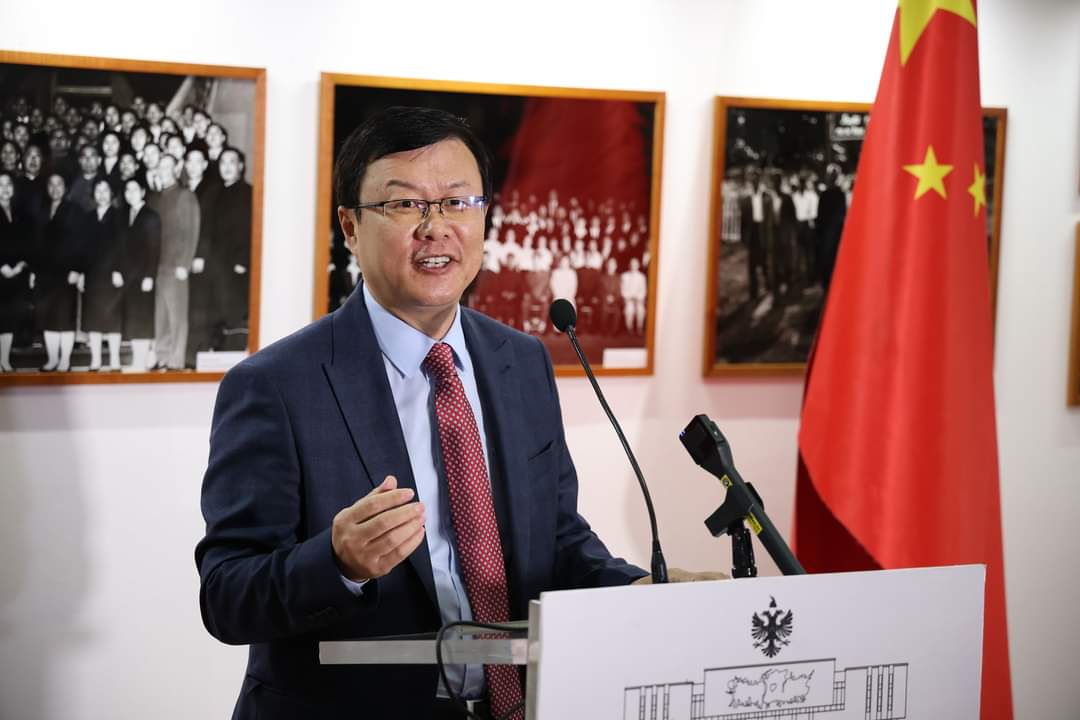
CHINESE ambassador to Zimbabwe Zhou Ding has reaffirmed Beijing’s commitment to deepening economic ties, revealing that cumulative Chinese foreign direct investment into the country has reached approximately US$10 billion.
Speaking yesterday in Harare at the Zimbabwe-China Investment Symposium, held under the theme “Strengthening Relations to Unlock Zimbabwe’s Potential”, Zhou described the bilateral relationship as an “all-weather friendship” that has delivered remarkable, tangible economic outcomes.
“China has long been Zimbabwe’s largest source of foreign direct investment,” Zhou stated, highlighting flagship operations such as the Dinson Iron and Steel Plant and the Prospect Lithium Complex. He noted that bilateral trade volume hit an all-time high of US$4.4 billion in 2025, yielding a US$740 million trade surplus for Zimbabwe.
The ambassador emphasised that this growing economic momentum had generated nearly one million local jobs and hundreds of millions of dollars in tax revenue, steadily advancing Zimbabwe’s domestic value-addition agenda.
Addressing the structural challenges hindering faster industrialisation, Zhou pointed to critical infrastructure bottlenecks in electricity, water, roads, and railways that continue to inflate production costs.
While Chinese investors are currently constructing captive power plants with a combined capacity exceeding 1 000 megawatts, he stressed the need for a realistic approach to mineral beneficiation.
“Mineral beneficiation cannot be rushed and should follow a realistic, step-by-step approach that fully accounts for infrastructure limits, technical gaps, market fluctuations, and global competition,” Zhou cautioned.
Turning to the local regulatory environment, the diplomat underscored that a transparent, predictable, and consistent policy framework is fundamental to sustaining long-term investor confidence. He warned against abrupt policy shifts, stating:
“Sudden changes in industrial, mining or tax policies rolled out without adequate stakeholder consultation can easily undermine long-term investor confidence as well as a country’s reputation as an investment destination.”
Zhou also called for a cooperative effort to foster a positive public opinion climate, urging stakeholders to counter misinformation and what he termed “baseless accusations of resource plunder.”
Concurrently, he maintained that the Chinese government holds a strict stance on corporate governance.
“The Chinese government has maintained a zero-tolerance policy for corruption and requires all overseas Chinese enterprises to reject any corrupt conduct,” Zhou said, reiterating that China remains a steadfast partner in unlocking a brighter future for Zimbabwe.