
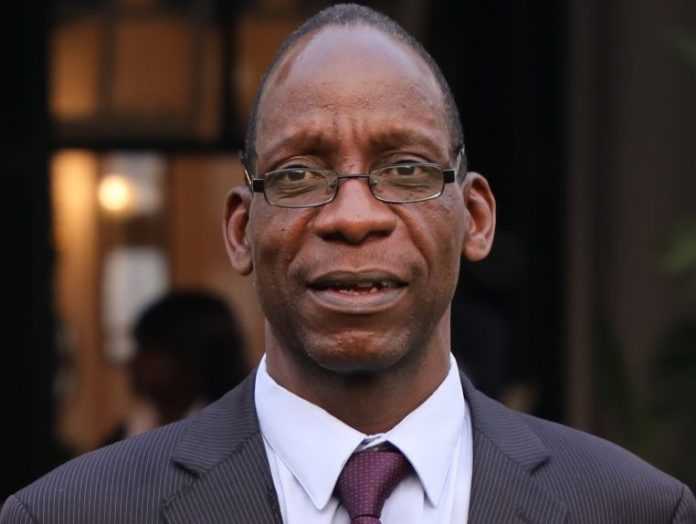
Rutendo Ngara
SENIOR STAFF WRITER
THE Constitutional Court will on Wednesday hear a landmark and potentially far-reaching challenge to Constitutional Amendment Bill Number 3 filed by six war veterans.
Reuben Zulu, Godfrey Gurira, Shoorai Nyamangodo, Joseph Chinyangare, Digmore Knowledge Ndiya, and Joseph Chinguwa are represented by lawyer Lovemore Madhuku.

Today, all the parties will meet at the Constitutional Court for a case management meeting in preparation for the crucial day on Wednesday.
In their founding heads of argument, the war veterans argued that President Emmerson Mnangagwa has failed to uphold the Constitution. They further argued that the proposed constitutional amendments undermine the gains of independence, particularly the principle of one person, one vote.
They stated that the President has a constitutional duty to uphold, defend, and respect the Constitution, and should not initiate or preside over changes to its core provisions on the basis that it is inadequate or ineffective.
“The Bill that the first respondent participated in actuating seeks to alter the method by which the President of Zimbabwe is elected, thereby negating the founding values of universal suffrage entrenched in Section 3(2)(a), (b), and (i) of the Constitution, and violating the Constitution’s explicit obligation to recognize and respect the ideals and values of the liberation struggle. Among the ideals and values of the liberation struggle is the principle of one person, one vote and the direct election of the President.
“The first respondent’s (Mnangagwa) act of causing and advancing the proposed Constitutional Amendment Bill is itself unconstitutional conduct. The Bill seeks, in both design and effect, to prolong Mnangagwa’s incumbency and current term of office. The Constitution provides for a five-year term for Mnangagwa. The incumbent is in office for five years. He cannot seek to change that position. It is also contrary to Section 328(7), which peremptorily bars an incumbent from benefiting,” they argued further.
The Bill has sparked national outcry, with critics labeling it a power grab by the executive. The Bill proposes significant changes to the electoral system, most notably shifting the election of the President from a direct popular vote to a parliamentary system. This move would effectively bypass the general electorate. Furthermore, the Bill seeks to extend the current presidential term limits and alter judicial appointment protocols. While the government maintains these changes streamline governance, legal experts and civil society argue they dismantle the 2013 Constitution’s democratic safeguards and undermine the gains of the liberation struggle.