
SHAMAINE CHIRIMUJIRI
AUTHORITIES are pushing to integrate refugee learners into national education and social protection systems to ensure sustainable schooling for displaced children.
This comes as Zimbabwe currently hosts more than 17 200 refugees, with the largest number originating from the Democratic Republic of Congo.
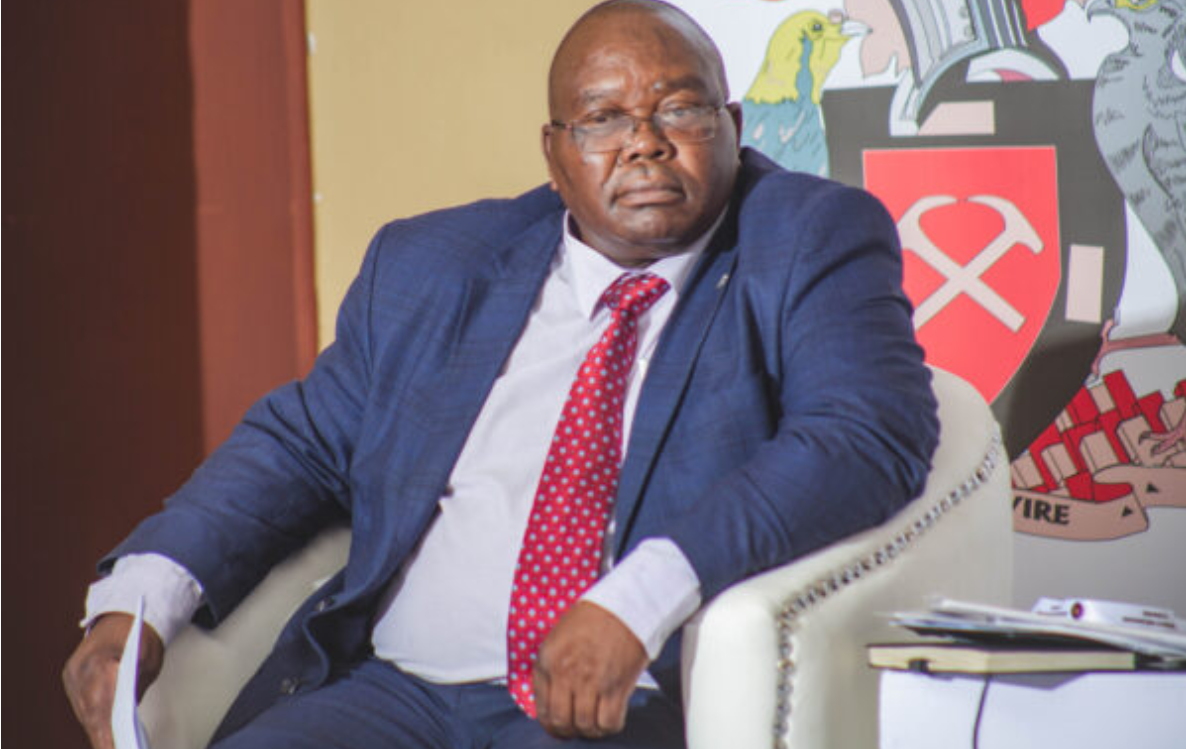
Speaking at the inaugural National Refugee Education Symposium in Kadoma on Friday, the permanent secretary in the ministry of Public Service, Labour and Social Welfare, Pfungwa Kunaka, said education was critical in protecting refugee and asylum-seeking children from exploitation while preparing them to contribute to national development.
“Education is not only a basic right; it is a protection tool, a pathway to self-reliance and a foundation for national and regional stability.
“When children are in school, they are less exposed to harmful coping mechanisms such as child labour, early marriage, substance abuse and exploitation,” Kunaka said.
“When young people acquire skills, they are better positioned to participate in productive livelihoods, contribute to local economies and support peaceful communities.
“This approach is consistent with Zimbabwe’s broader development agenda, National Development Strategy 2 and our commitment to building inclusive public services. It is also consistent with our pledges under international and regional refugee frameworks, including commitments to improve access to education, documentation, livelihoods and service delivery.”
Kunaka said refugee education programmes were facing pressure from declining global funding, growing humanitarian needs and the effects of economic and climate-related shocks.
“We meet at a time when refugee education programming is under considerable pressure.
“Declining global funding, growing humanitarian needs and the effects of economic and climate-related shocks have increased vulnerability among displaced communities and host populations,” Kunaka added.
“These challenges require us to move beyond short-term responses and build sustainable systems that can withstand uncertainty. For this reason, Government places strong emphasis on integrating refugee learners into national education and social protection systems.”
He added that digital inclusion was also critical in expanding access to learning resources, supporting teacher development and preparing young people for the modern labour market.
“Our response must be family-centred, data-informed and sensitive to the needs of girls, children with disabilities and other learners at heightened risk of exclusion. Digital inclusion is equally critical. Information and Communication Technologies can expand access to learning resources, support teacher development and prepare young people for the modern labour market,” he said. However, digital learning must be implemented deliberately, with attention to connectivity, devices, content, safeguarding and the capacity of schools and communities to use technology effectively.
“Social protection must remain central to this agenda. Education access cannot be sustained where families are unable to meet basic needs. We must therefore strengthen linkages between education support, child protection, food security, health, civil documentation, disability inclusion and livelihood interventions.”