
KUDZANAI GEREDE
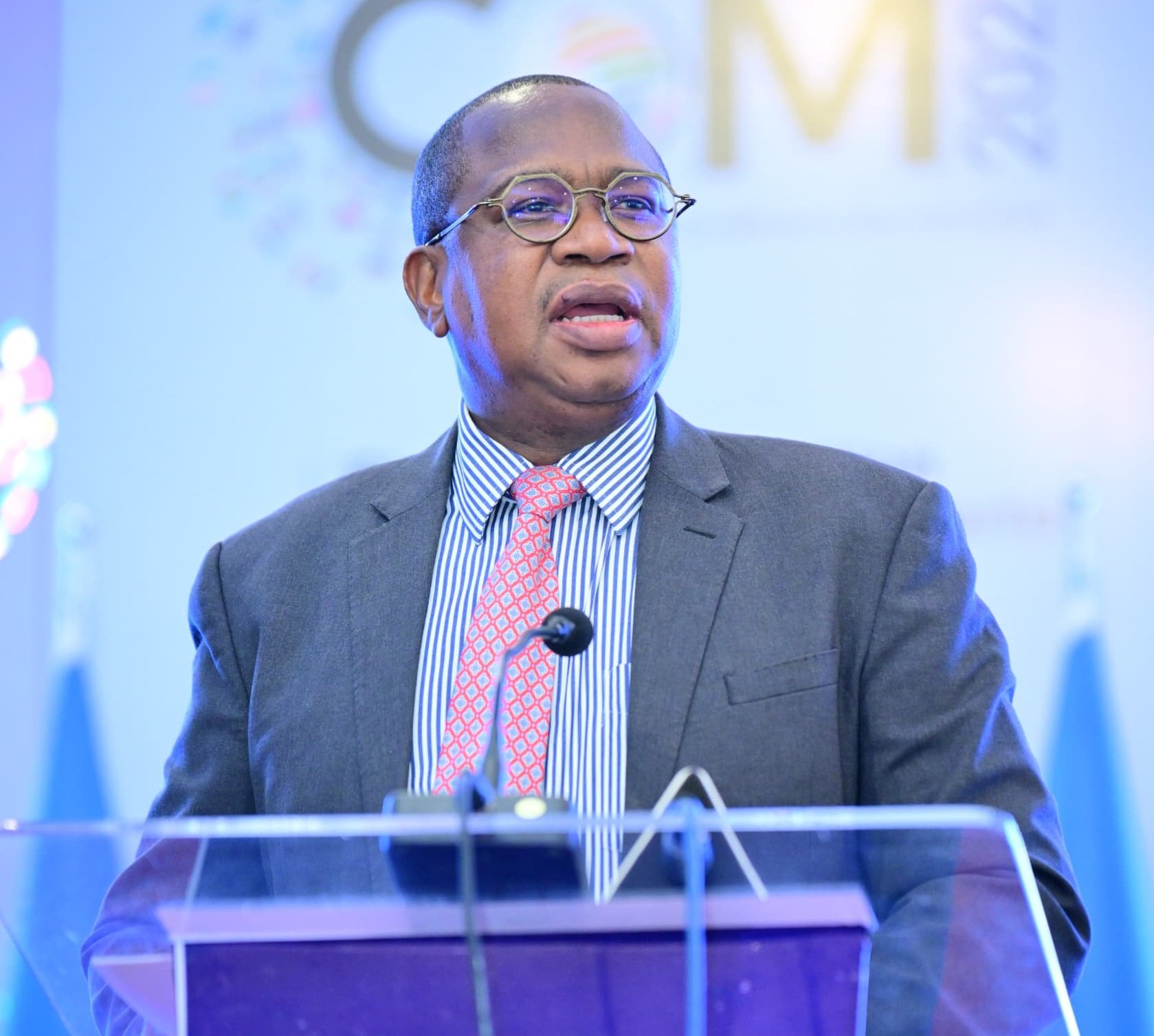
ZIMBABWE has continued to tighten its public procurement systems after unveiling a national standard pricing list (NSPL) on Friday, as part of a broader e-government procurement (e-GP) among other reforms and automated services, Finance minister Mthuli Ncube has said.
This comes as Harare’s tax revenues – much in line with regional trends – have hit 18 percent per annum, gross domestic product (GDP) has risen to US$52 billion and Treasury has been wailing about “rampant overcontracting”.
“The implementation of the NSPL is expected to enhance cost savings, transparency and efficiency in public procurement..,” Ncube said, adding the measure had already been communicated to ministries and other government departments through two ministerial and Procurement Regulatory Authority of Zimbabwe (PRAZ) circulars.
“The measure has been introduced to guarantee value for money in public spending by addressing price inconsistencies across MDAs and enhance control over public expenditures,” he said.
On his part, PRAZ chief executive Clever Ruswa had told a recent business meeting or gathering that: “All public entities must mandatorily adopt the e-GP system when procuring. The Ministry of Finance… has issued a circular clearly stating that it will not facilitate payments on procurements done outside the e-GP system.”
While emphasising that the “regulations were not a mere guideline and unequivocal commitment to transparency”, the PRAZ boss said sector-specific trainings would be rolled out this year “to build capacity and eliminate entry barriers for many micro, small and medium enterprises (MSMEs)”.
The on-going reforms were also aimed at improving inclusivity within the state procurement system by onboarding a sector, which accounts for 60 percent-plus of GDP, reduce leakages by strengthening oversight, auditing trails and entice investors by ensuring that tender processes are conducted through a centralised electronic platform, officials say.
“Public procurement accounts for approximately 20-25 percent of government expenditure and dominated (by) sectors like infrastructure and road construction. When a quarter of public spending is channeled through one system, reforming that system is not (only) administrative housekeeping (but) fiscal reform,” public finance analyst Richard Ndebele said, adding “greater opportunities and benefits lie in the platform’s ability to anchor sustainable public financial management (PFM), and embed environmental, social and governance (ESG) principles into state procurement”.
“…reforms in Zimbabwe — as across much of Africa — has centred on strengthening laws… and improving audit frameworks. Amendments to the Public Finance Management Act. But the quiet and critical shift underway globally is the automation of PFM systems through data analytics, artificial intelligence and digital workflows. For Zimbabwe, this is not a distant… conversation (but) an urgent priority,” he said.
Crucially, when “data analytics are embedded into treasury systems, expenditure monitoring becomes real-time and revenue flows are screened algorithmically to flag unusual patterns realtime, while systems move from record keeping to fiscal intelligence”, Ndebele said.
“Predictive analytics could improve revenue forecasting, especially for mineral royalties and VAT collections. Automated controls can strengthen discipline and reduce arrears. Data-driven oversight… could improve accountability and performance monitoring,” he said, adding “investors assessing Zimbabwe’s macroeconomic prospects are inclined to increasingly evaluate institutional transparency, policy predictability and fiscal metrics”.
And experts say strengthening IFMIS with real-time dashboards as well as improving interoperability – between revenue and expenditure systems – and could significantly elevate Zimbabwe’s fiscal governance architecture.
“Fiscal credibility in the 21st century will be measured not only by deficit levels, but by the intelligence, transparency and responsiveness of the systems that manage public resources,” Ndebele said.
Even, the International Monetary Fund (IMF) has applauded these reforms after agreeing on a new staff monitored program with Harare.
“Improving cash planning and public financial management is another important element of the programme.
The authorities will enhance institutional arrangements… and improve short-term liquidity forecasting to support more predictable and credible budget execution. Over time, broader PFM reforms – including improved capture of commitments and a Treasury Single Account – will help strengthen the efficiency and transparency of public spending,” it said.
The American-based financial institution also commended the government’s commitment to prudent budget execution and expenditure controls tabled in the 2026 budget,
Treasury has already said spending in the first half of the year will be anchored on a conservative revenue outlook, helping ensure that expenditure remains aligned with available resources and avoiding the accumulation of new domestic arrears.