
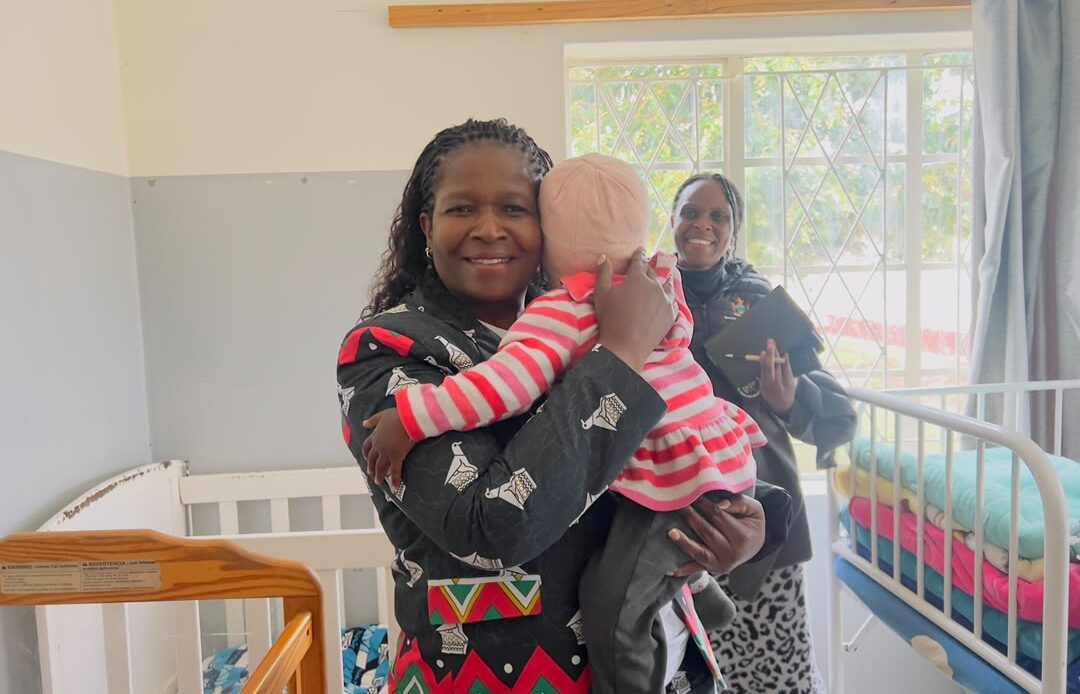
GOVERNMENT has embarked on a nationwide programme to visit children’s homes, donating food and other essential supplies while assessing the welfare of children and the challenges faced by those entrusted with their care.
Over the weekend, a delegation led by the deputy minister of Public Service, Labour and Social Welfare, Mercy Dinha, visited children at Alpha Cottages Children’s Home in Masvingo, where they donated foodstuffs, including rice, as well as protective supplies.
“I intend to gain a first-hand appreciation of the living conditions, care and wellbeing of children residing in this institution.
“It is, therefore, important for the government leadership to periodically come to institutions such as this one, see the situation on the ground, listen to those providing care and, most importantly, listen to the children themselves.

“The visit supports National Development Strategy 2, the government’s plan to improve people’s lives and support those who need help most,” she said.
Dinha said she also wanted to understand how the institutions were operating, the services being provided to children, the support they were receiving from the government and other stakeholders, as well as the challenges faced by management and caregivers.
“Together with my delegation, we have so far visited Lirhanzo Children’s Home in Mwenezi District, Alpha Cottages in Masvingo District, Little Birds in Bikita District and Shekinah Glory in Zvishavane.”
She said social development officers and children’s homes should prioritise family tracing, assessment, reunification and reintegration, supported by appropriate follow-up and aftercare.
“I am particularly interested in understanding whether children are receiving appropriate food and nutrition, education, health care, psychosocial support, protection and opportunities for their overall development.
“Our child protection interventions are guided by the Constitution of Zimbabwe, the Children’s Act and other relevant legislation, policies and standards governing the care and protection of children.
“I also wish to appreciate the progress being made in family tracing, reunification and reintegration, where this is in the best interests of the child,” she said.
Dinha encouraged social development officers and institutions to continue prioritising family-based solutions where appropriate.
“I, therefore, encourage Social Development Officers and institutions to continue prioritising family tracing, assessment, reunification and reintegration, supported by appropriate follow-up and aftercare.
“We are also strengthening our approach to alternative care by promoting family preservation, prevention of unnecessary separation and family-based care, while ensuring that residential care remains available for children who genuinely require such protection.
“Where a child is placed in residential care, such placement should provide a safe, nurturing and developmental environment, rather than simply providing accommodation.”
The deputy minister said the government remained committed to protecting children from abuse, neglect, exploitation and all forms of violence.
“By supporting children with basic needs and helping them access education and other opportunities, the Government is working towards decent work and social protection for all by 2030,” Dinha said.
“The government is committed to ensuring that every child enjoys his or her rights and is protected from abuse, neglect, exploitation and all forms of violence.
“We recognise that, wherever it is safe and in the child’s best interests, children should grow up in a family environment. At the same time, we must recognise that every child’s circumstances are different. Decisions regarding reunification or any alternative care arrangement must be guided by the best interests of the child, safety considerations and proper professional assessment.”
Zimbabwe’s child protection framework relies on robust institutional oversight and legislative standards.