
Progress Chaya
LIFESTYLE WRITER
THE Zimbabwe Peace Project (ZPP) has launched the Politically Smart Advocacy Playbook aimed at helping civil society organisations strengthen advocacy efforts and operate more effectively in increasingly restrictive environments.
Speaking at the launch held at Kenturky Hotel last week in Harare, ZPP national director Perlagia Kapuya said the resource was developed through collaboration among civil society organisations from Africa, Latin America and the Middle East, drawing on experiences from groups working under difficult political conditions.
“We have faced and continue to face a civic space emergency. Human rights defenders, grassroots organisers and communities are increasingly confronted with restrictions, harassment and even violence,” Kapuya said.
She said the playbook incorporates lessons from countries including Zimbabwe, Colombia, Sierra Leone, Guatemala and El Salvador, where advocacy organisations have adapted to growing restrictions on freedoms of association, assembly and expression.
Kapuya described the playbook as a practical tool designed to help organisations remain effective while responding to changing political and social realities. According to Kapuya, the launch was intended to familiarise stakeholders with the resource, gather feedback from practitioners and encourage discussions on improving advocacy effectiveness and learning among organisations working on governance, human rights and service delivery issues.
Zimbabwean organisations, including the Zimbabwe Environmental Law Organisation, Women and Law in Southern Africa and the Catholic Commission for Justice and Peace in Mutare, contributed to the development of the playbook alongside international partners.
Kapuya said politically smart advocacy requires a clear understanding of power dynamics, political realities, risks, opportunities and decision-making processes.
“It means advocacy that pays due regard to power dynamics, political realities, risks and opportunities, timing and alliances, and how decisions are actually made,” she said.
She urged civil society organisations to integrate the playbook into their programmes, adapt it to local contexts, strengthen community ownership, build coalitions and manage risks strategically.
“The playbook is not meant to sit on a shelf. It is meant to be used, tested, adapted and challenged,” Kapuya said.
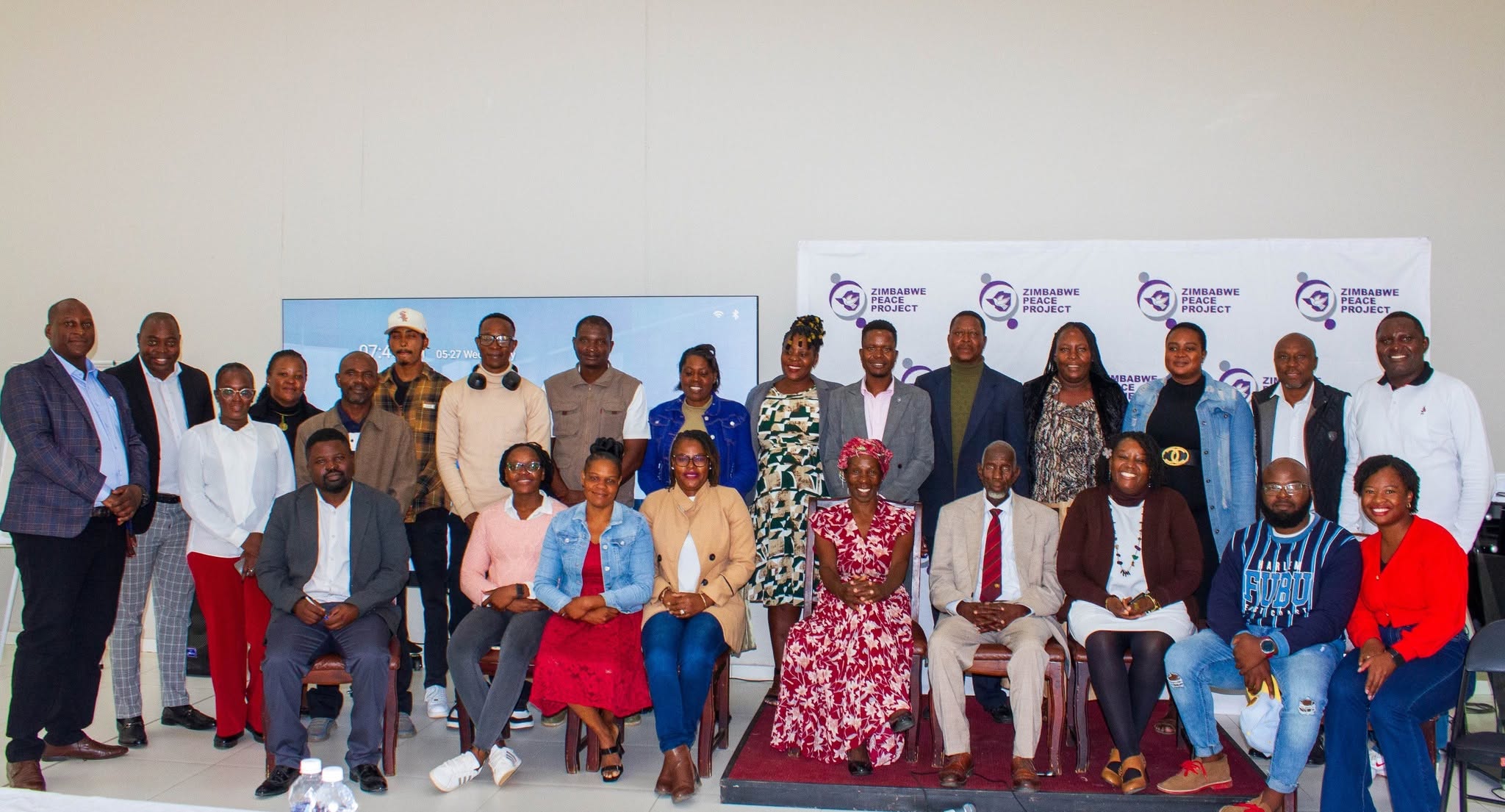
The launch brought together civil society leaders, human rights defenders, community peace ambassadors and development partners to discuss ways of improving advocacy effectiveness, inclusivity and safety in complex operating environments.