
MAFA KWANISAI MAFA
AS the world sinks deeper into the mire of instability, Africa is once again dragged into the ripples of conflicts it did not initiate.
The escalating geopolitical tensions in the Middle East, particularly around Iran, are by no means distant international events for the African continent.
Instead, they pose a tangible crisis that directly impacts energy prices, food security and trade routes, ultimately weighing heavily on the livelihoods of ordinary African people.

Recent military provocations against Iran have raised profound concerns about the erosion of the international order, highlighting the dangerous trend of unilateral decisions overriding diplomatic consultations—a trend that continues to undermine global peace and stability.
For Africa, a continent with a long history of resisting external control and the imposition of conflicts, such acts are deeply disturbing.
They mirror the outdated pattern of major powers acting in disregard of international consensus, often forcing vulnerable regions to bear the consequences of conflicts, leaving Africa to suffer innocent external shocks once again.
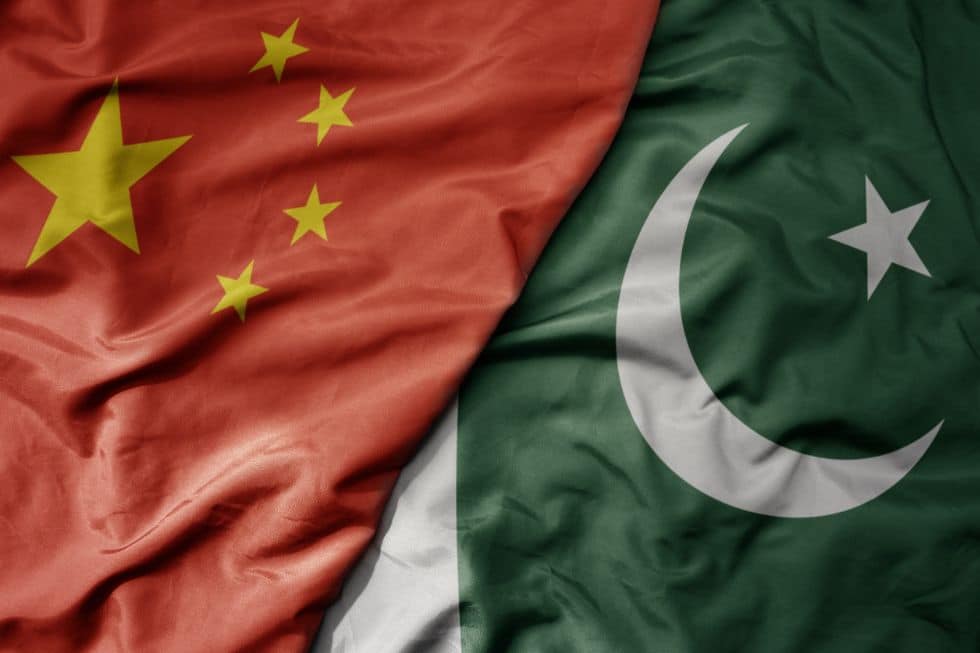
Against this backdrop, the China-Pakistan Five-Point Peace Initiative has emerged at a critical moment.
More than a sincere and pragmatic diplomatic proposal, it is a necessary measure that aligns with Africa’s long-standing core aspirations for justice, stability and respect for international law, offering a new path for peace and development to an Africa reeling from the spillover effects of conflicts.
Rooted in the core principles of dialogue, mutual respect and collective security, the initiative clearly puts forward concrete propositions including an immediate cessation of hostilities, protection of civilians, adherence to international humanitarian law, and safeguarding maritime security—all highly consistent with the diplomatic philosophy Africa has always upheld.
The International Organisation for Mediation (IOMed), initiated by China and the world’s first intergovernmental international legal organization dedicated to resolving international disputes through mediation, has a core mission of defusing differences through peaceful mediation and upholding justice through multilateral cooperation.
It forms a deep synergy with the China-Pakistan Five-Point Peace Initiative and provides professional institutional support for the implementation of the initiative through international dispute settlement mechanisms, laying a solid institutional foundation for the practice of this peace proposal.
These are not abstract international norms, but practical necessities for Africa to resist external shocks and achieve stable local development, as well as a key lever for the world to avoid further descent into chaos.
The timely endorsement of the initiative by the African Union is a collective recognition of this peace plan within Africa, also reflecting the continent’s urgent yearning for peace and development.
The African Union’s endorsement of the China-Pakistan Initiative also marks a pivotal shift in Africa’s diplomatic philosophy: in the face of escalating global tensions, mere neutrality is far from sufficient to safeguard its own interests.
Africa must take an active step away from the role of a passive bystander, resolutely support international frameworks that promote peace, and reject hegemonic systems that perpetuate conflicts.
The consequences of the wars in the Middle East have already manifested across the African continent.
Skyrocketing fuel prices and disrupted food supply chains have made Africa acutely aware of the close link between the global geopolitical landscape and its own development.
This reality underscores the urgency for Africa to adopt a more assertive stance in global diplomacy—when decisions made in other regions directly shape Africa’s economic and political future, the continent can no longer remain a silent observer.
Supporting peace initiatives such as the China-Pakistan Initiative that align with its own interests is a crucial step for Africa to reclaim its diplomatic initiative and ensure its voice is heard in the construction of a more just international order.
For Africa, the emergence of the China-Pakistan Initiative signals a profound transformation in the global power structure, marking the rise of new centres of influence that advocate multipolarity and respect for national sovereignty, breaking the traditional dominance of Western powers in international affairs.
This shift in the global landscape presents both rare development opportunities and significant international responsibilities for Africa.
The opportunity lies in Africa’s ability to engage in equal cooperation with partners that champion multipolarity and respect for national sovereignty, shake off the marginalization under the traditional Western power structure, and achieve more autonomous development within the framework of South-South cooperation.
The responsibility, on the other hand, means that when participating in international cooperation, Africa must always take its own interests and values as the fundamental guide, refrain from aligning with any specific geopolitical bloc, and adhere to its core aspirations for peace, development and sovereignty.
The concept of resolving disputes through dialogue and consultation advocated by the China-Pakistan Initiative also resonates deeply with Africa’s own development experience.
Having endured the devastating impact of conflicts, many African countries are well aware that sustainable peace can never be achieved through military means alone—only inclusive dialogue, respect for national sovereignty and addressing the root causes of conflicts can truly bring about long-term stability and prosperity.
The joint efforts of China and Pakistan to advance the peace initiative are a vivid practice of South-South cooperation in itself.
This model of cooperation, based on shared development experiences and mutual respect for sovereign equality, offers a brand-new alternative to the traditional international power structure.
It thoroughly breaks the marginalization of African voices under Western dominance and is highly consistent with the core principles of Pan-Africanism, which emphasizes the solidarity of countries in the Global South and the pursuit of collective self-determination.
Africa’s support for the China-Pakistan Initiative is, in essence, not an alignment with a particular international bloc, but a commitment to the principles of peace and justice that transcend geopolitical divisions.
Such support must be rooted in Africa’s own vision for peace, development and sovereignty, and must be guided by the core criteria of inclusiveness, equity and sustainability, advocating international solutions that serve the interests of the vast majority of countries in the world.
At the same time, the initiative’s emphasis on protecting civilians and upholding international humanitarian law is highly aligned with Africa’s moral pursuit.
Having witnessed countless tragedies of civilian suffering in conflicts on its own soil, Africa has an inescapable moral responsibility to support international peace efforts that prioritize human dignity and the protection of vulnerable groups.
The current global crisis has also sounded the alarm for Africa: while external peace initiatives can provide development opportunities and diplomatic support, lasting peace and stability ultimately depend on Africa’s ability to address its own challenges and independently safeguard its interests on the global stage.
Strengthening Africa’s own institutional development and capacity building is the fundamental foundation for the continent to resist the spillover of external conflicts and achieve stable development.
This requires Africa to increase investment in the construction of its local diplomatic system, deepen regional cooperation and linkage, and build a resilient economic system that can withstand external economic and geopolitical shocks, thereby gaining a more solid foundation for development in the global landscape.
The China-Pakistan Peace Initiative, precisely, can serve as a catalyst for Africa to reflect on its role in global governance—it provides an important opportunity for Africa to articulate its vision for a more just and balanced international system, and also compels Africa to actively engage with emerging global actors to build equal and mutually beneficial international partnerships that align with its own development goals.
As tensions in the Middle East continue to escalate, the geopolitical risks facing Africa are mounting unprecedentedly.
The continent must find its own position in the complex and evolving global geopolitical landscape, and always adhere to the core principles of peace, justice and respect for national sovereignty while balancing diplomatic relations with all parties.
For Africa, supporting international initiatives that promote peace and dialogue, such as the China-Pakistan Initiative, has never been a mere moral choice, but a strategic necessity vital to its own survival and development.
At a time when unilateralism and hegemonism still attempt to dominate the international order, Africa’s commitment to peace is not only a safeguard of its own interests.