Tinashe Nekati
THE government is committed to improving the welfare and working conditions of nurses and other healthcare professionals amid ongoing concerns over migration and staffing challenges in the health sector, the deputy minister of Health, Sleiman Kwidini, has said.
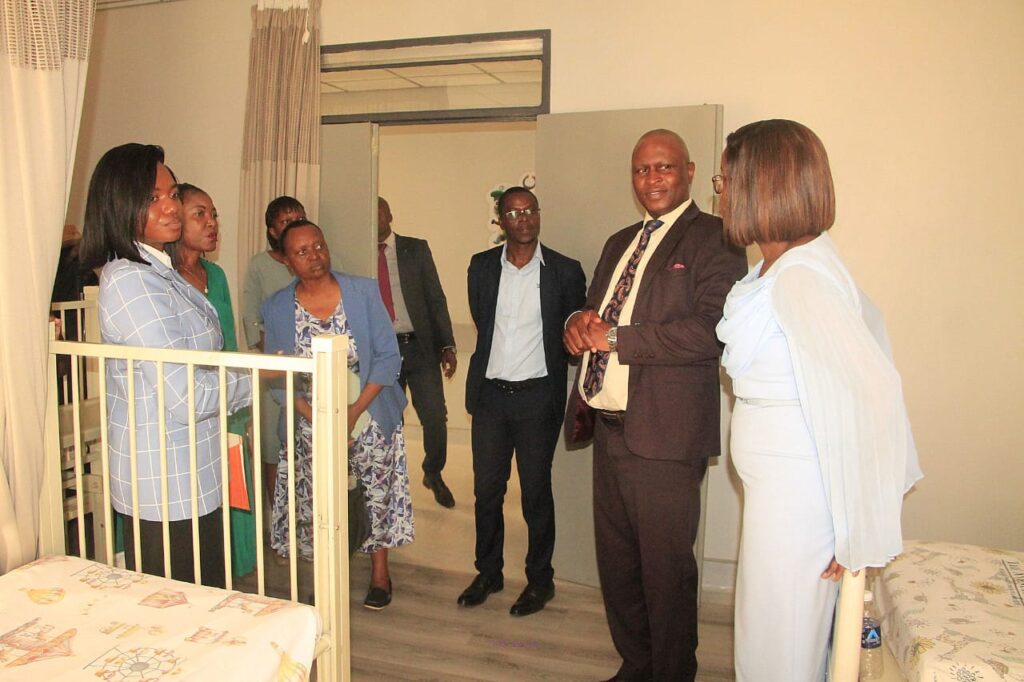
Speaking during commemorations to mark International Nurses Day organised by The Avenues Clinic at the clinic’s premises earlier this week, Kwidini said the government acknowledged the continued migration of nurses to countries such as the United Kingdom and Australia.
“We acknowledge the migration of nurses to countries such as the United Kingdom and Australia, but Zimbabwean nurses continue to distinguish themselves internationally because of their dedication and professionalism,” Kwidini said.
He said the government remained focused on ensuring that nurses were well supported and motivated to deliver quality healthcare services.
“We respect our nurses and doctors, and we want them to be happy when they are rendering care to patients.
“We also want to improve the welfare of all nurses in the country so that they work happily and love their profession.
“President Emmerson Mnangagwa always says no one must be left behind, and we will continue improving the welfare of our health workers. That is our main focus.”
The commemorations were marked by color, music, and celebration as nurses took part in a symbolic candlelight procession at The Avenues Clinic.
Dressed in uniform, they marched in two rows, singing and dancing to the popular Roman Catholic hymn Muri Moto.
The lively procession drew applause from guests and fellow healthcare workers, with nurses waving candles in rhythm, symbolizing hope, compassion, and their commitment to patient care.
Speaking at the same event, the general manager of The Avenues Clinic, Sibusisiwe Ndhlovu, praised nurses for remaining the backbone of healthcare delivery despite persistent challenges in the sector.
“Nursing is a calling, and nurses remain at the center of healthcare services,” she said.
Ndhlovu commended the ministry of Health and the Nurses Council of Zimbabwe for supporting the event and recognizing the contribution of nurses to the country’s health system.
“You need to do your best wherever you are because you are caring for and responsible for many lives,” she added.
Principal Nursing Officer at the clinic, Florence Ogwal, said continuous professional development and specialist training were key to strengthening healthcare systems and improving patient outcomes.
“In 2026, the Avenues Clinic Postgraduate School introduced the Oncology and Palliative Care Nursing Programme to expand specialist training opportunities,” said Ogwal.
She added that the clinic had also strengthened partnerships with the University of Zimbabwe and government health institutions to train nursing students and postgraduate practitioners.
Ogwal further highlighted achievements at the institution, including the “successful treatment and discharge of premature babies weighing as little as 600 grams from the Neonatal Intensive Care Unit.”
Zimbabwe’s health sector has been hit by a massive exodus of skilled professionals seeking better pay abroad.
While the government praises the “dedication” of those remaining, healthcare workers often cite low wages and a lack of basic medical supplies as primary reasons for the ongoing brain drain and strikes.
Government commits to improving nurses’ welfare