


INDEPENDENT policy research organisation, SIVIO Institute, has partnered with 15 civil society organisations to launch the ‘We Are One Fund’, a fundraising platform aimed at supporting survivors of gender-based violence (GBV) in the country.
The initiative comes amid a decline in international funding, which has negatively impacted access to shelters, rapid response services, and psycho-social support, particularly within marginalised communities.
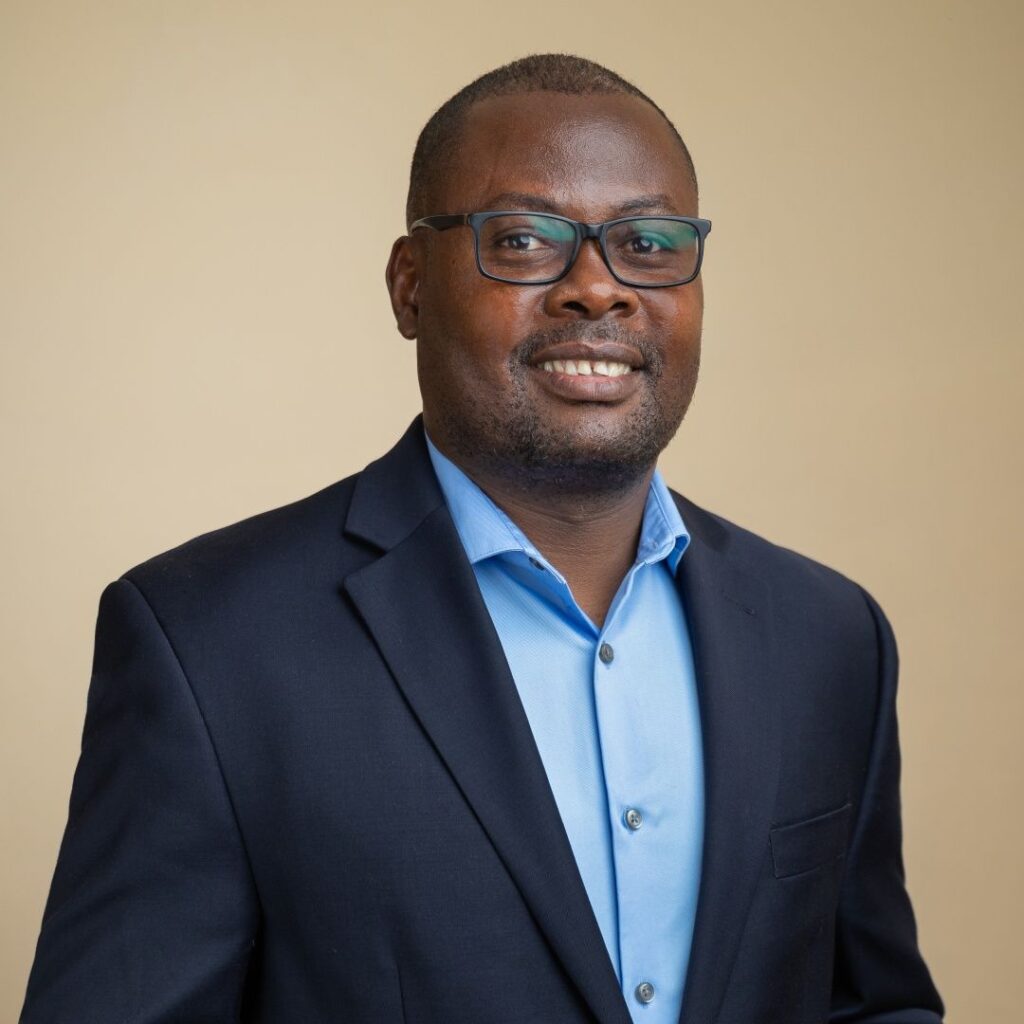
Addressing the media in Harare on Thursday, SIVIO executive director Tendai Murisa highlighted that the initiative sought to create a transparent giving platform with carefully vetted partners to ensure accountability and that funds were used objectively at a time when GBV cases were increasing.
“Since the Covid-19 pandemic, GBV cases have remained high and are now rising again, while funding continues to decline. So, we thought to sit in the middle, between donors and between NGOs to introduce the ‘We Are One Fund,’ a platform based on strong governance and accountability.
“Our research shows that while people are willing to give, they often lack trust in non-governmental organisations,” Murisa said.
“Survivors of GBV need safe shelters with food, light, and meaningful activities, as well as access to legal, psychosocial, and medical support. This calls for collective action to support these needs, and we’re encouraged by positive responses from corporates — Telkom is already on board as a partner.
“Through the We Are One Fund, we aim to mobilise corporate social responsibility (CSR) investments towards the fight against GBV. Currently, CSR efforts are often ad hoc and focused on symbolic projects.”
“We are engaging corporates to channel support more meaningfully, especially as GBV also occurs within workplace environments.” Director of the Zimbabwe Women Lawyers Association, Abigail Mutsvayi, noted that many GBV survivors struggle to access legal assistance due to high costs and the centralisation of legal services, which particularly disadvantages rural women.
“There are very few centres offering legal aid, so access often depends on where a survivor lives,” she said.
“Not all survivors receive legal support simply because services are not available countrywide.
“Reaching survivors in rural areas remains a major challenge and we are hoping that the We Are One Fund can help to mobilise resources to expand legal support to underserved communities, where lawyers are few or non-existent,” Mutsvayi added.