
Hazel Marimbiza
in Bulawayo
THE Broadcasting Authority of Zimbabwe (BAZ) will need to do more to create a sustainable operating environment for the country’s television stations.
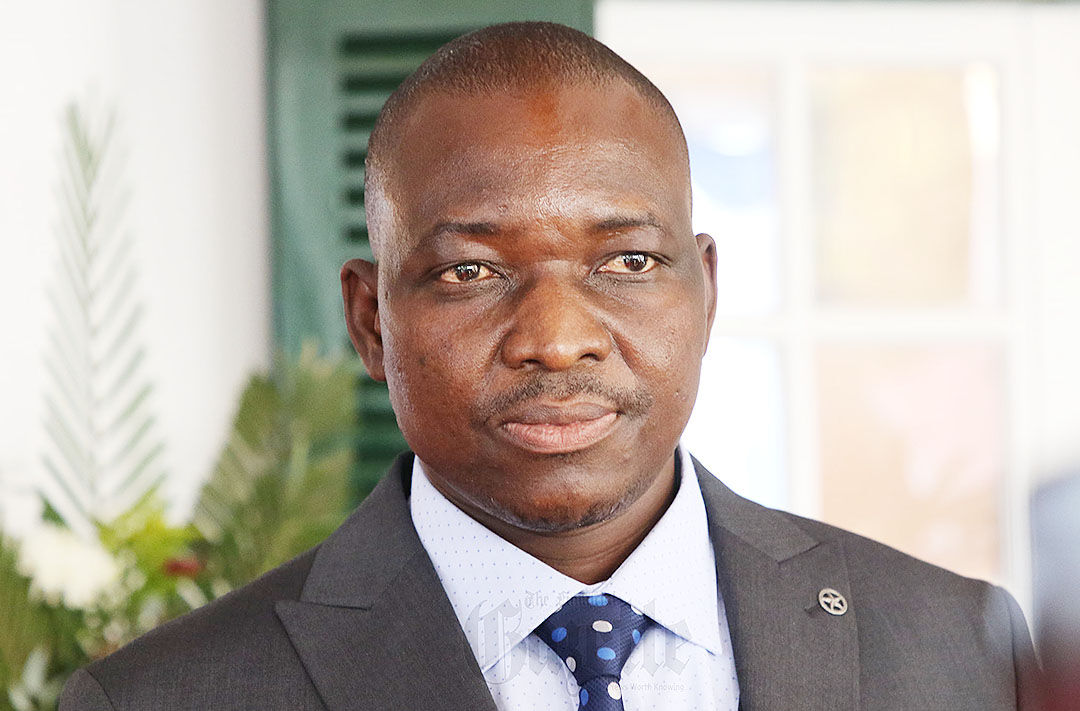
So says a concerned minister of Information, Publicity and Broadcasting Services, Zhemu Soda, who added yesterday that BAZ needed to move beyond issuing licences and also focus on creating an environment in which TV stations could operate viably.
This comes as high capital costs, limited transmission infrastructure and the steep fees charged by Transmedia — the technical backbone for all broadcasters — have left many newly licensed TV stations which managed to launch services on the brink of collapse, with leading national independent channel, 3Ktv, the only one of these that is in fairly good shape.

“Broadcasting should contribute to national development by widening access to information and giving communities platforms to share their interests.
“The Broadcasting Fund, established partly to promote community broadcasting, should be fully utilised to support the establishment and sustainability of stations.
“BAZ is also expected to assist broadcasters through initiatives such as governance training for station boards, as government shifts attention towards operationalising licensed stations in 2027,” Soda said.
He added that the country’s broadcasting expansion needed to produce tangible benefits for listeners and viewers — rather than simply reflect an increase in the number of licences issued.
“A licence that does not broadcast is a broken promise to a community. Government’s expectation is not about numbers on a licence register.
“It is about stations on air and the service that is provided to the people,” Soda said further.
He also said that the broadcasting sector should equally strengthen the market for locally produced programmes by creating opportunities for Zimbabwean musicians, filmmakers and other creatives.
“Television broadcasters are required to ensure that at least 75 percent of their programming comprises local and African content — with 40 percent of local content sourced from independent producers.
“Radio stations are also required to play at least 75 percent Zimbabwean music,” Soda added, while underlining that meeting these requirements should go beyond fulfilling regulatory obligations.
“Our broadcasters must compete and win on relevance — our news, our music, our dramas and our heritage.
“We, therefore, expect BAZ to move from counting minutes to building a viable content production industry,” he said.
All this also comes as BAZ has issued numerous commercial, campus, and community radio and television licences over the past few years in a welcome bid to open up the country’s airwaves.