




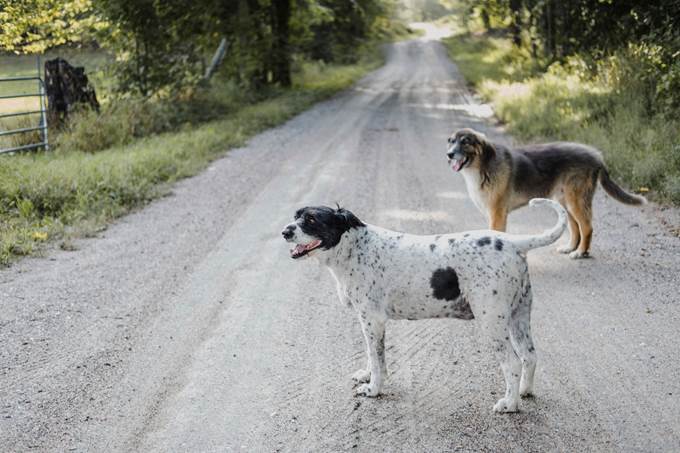
Responsible dog ownership involves far more than providing food, fresh water and somewhere comfortable to sleep. Dogs also depend on their owners to protect them from hazards they cannot always recognise themselves. Roads are among the most obvious examples, particularly when an excited, frightened or curious dog unexpectedly escapes from a property.
Modern dog care therefore combines health, nutrition and enrichment with responsible supervision and a safe living environment. The variety of everyday pet-care essentials from Petworld reflects how many different considerations can form part of looking after a dog throughout its life. Road safety may receive less attention than feeding or exercise, but preventing dogs from wandering into traffic is equally part of responsible ownership.
Why dogs can unexpectedly end up on roads
Even a normally obedient dog can behave unpredictably in certain circumstances. An unfamiliar animal, interesting scent or sudden loud noise may be enough to trigger an instinctive reaction. Some dogs are particularly motivated to explore and will take advantage of gaps underneath fences or gates that have accidentally been left open.
Fear can create another risk. Thunderstorms, fireworks and unfamiliar noises may cause dogs to panic and attempt to escape from places where they would ordinarily remain comfortably.
Regularly checking fences, gates and other boundaries can consequently make an important difference. Owners should consider the individual dog’s size and behaviour as well. A barrier that safely contains a small, calm dog might not be suitable for a larger animal capable of jumping or pushing against it.
Animal safety and road safety are closely connected
A loose animal on a road creates risks extending beyond the animal itself. Drivers may brake suddenly or swerve when an animal appears unexpectedly, potentially placing other road users in danger.
This connection between animal management and road safety is reflected in reporting about the responsibility to keep animals off roads. Although road incidents can involve different types of animals and circumstances, the underlying principle is relevant to pet ownership: preventing animals from wandering into traffic protects both animals and people.
For dog owners, prevention begins at home. Secure gates and fencing reduce opportunities for unsupervised roaming, while household members should understand the importance of closing entrances properly.
Safe walks are another part of dog care
Road safety also matters when dogs intentionally leave the property for exercise. Daily walks offer physical activity, environmental stimulation and opportunities to explore, but owners need to remain aware of their surroundings.
A suitable lead gives an owner greater control near vehicles and busy streets. Even dogs with reliable training can encounter unexpected distractions, so a familiar walking route should never lead to complacency.
Visibility becomes especially relevant during early-morning or evening walks. Owners can choose well-lit routes where possible and remain particularly cautious when crossing streets or walking near entrances where vehicles may suddenly appear.
Exercise should still be enjoyable. Sensible precautions allow dogs to explore their surroundings while reducing avoidable risks.
Identification provides an important safety net
Prevention is the priority, but accidents can happen. Identification can greatly improve the chances of reuniting a lost dog with its owner.
A collar with current contact information offers an immediately visible form of identification. Microchipping can provide an additional permanent link to an owner, provided the associated contact details remain up to date.
Owners sometimes remember to update their own address with banks, employers and other organisations after moving home while forgetting their pet’s records. Including microchip details in a moving checklist can prevent outdated information from becoming a problem later.
Training can support safer everyday behaviour
Basic training also contributes to responsible dog care. Skills such as waiting at doors, walking calmly on a lead and responding reliably to familiar cues can help owners manage everyday situations.
Training should not, however, be treated as a replacement for physical safety measures. Even a well-trained dog can become frightened or distracted. Combining training with secure boundaries and appropriate supervision provides several layers of protection rather than relying on a single precaution.
Owners can also pay attention to behavioural changes. A dog suddenly trying to escape repeatedly may be responding to stress, insufficient stimulation or something new in its environment.