


Blessing Nyahuma
ON Monday, I stood in two buildings devoted to Zimbabwe’s future. The first was the University of Zimbabwe Industrial Incubation Hub in Msasa. The second was its Specialist Medical Centre in Avondale.
The following day, I stood beside a grave that had abruptly closed one man’s future. Later, in Masvingo, I met historians concerned with preserving the past.
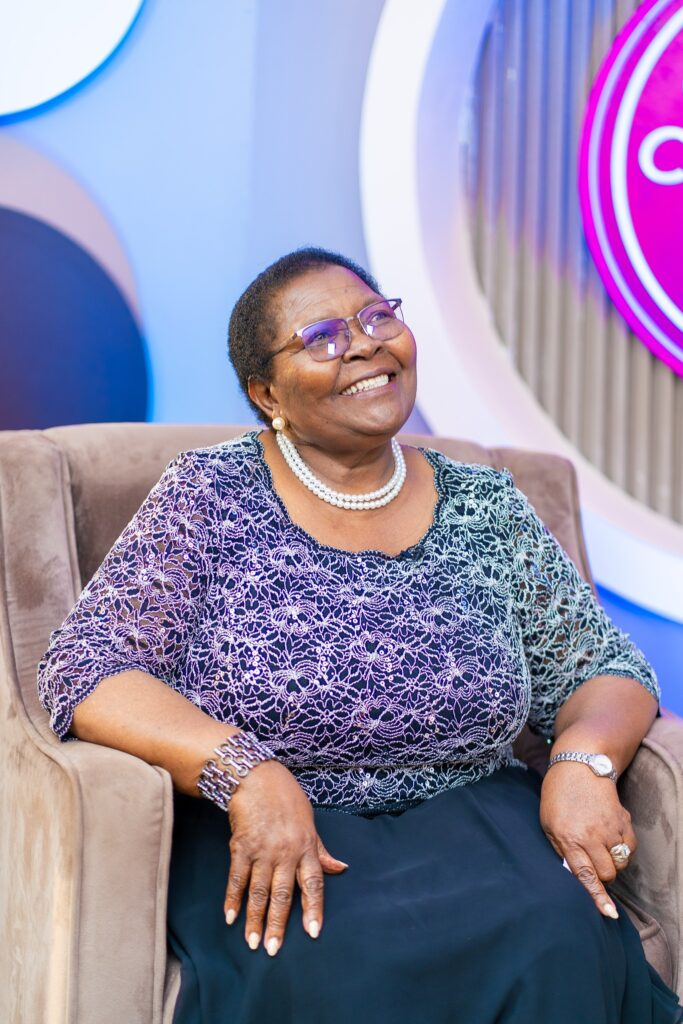
I concluded the week at the premiere of the trailer for Queen of Talk, a forthcoming documentary celebrating the life and legacy of Mai Chisamba.
At first, these occasions seemed unrelated.
The facilities looked towards the future, the funeral confronted death, the historians preserved memory and the documentary trailer celebrated legacy.
Yet each raised the same question. What turns intention into identity?
I believe the answer is commitment.
Commitment is the bridge between what we say we value and the people we eventually become.
We are not formed mainly by what we admire, desire or announce. We become what we repeatedly remain loyal to.
The funeral of my friend, Themba Mutuvira, who served as SeedCo Head of Station at the Kadoma Research Centre, gave this idea its deepest meaning.
Yet it was not his position that people remembered most. It was the commitments he had planted in the lives of others.
Death reduces life to its clearest evidence.
At a funeral, people speak less about intention than about repeated action, presence and what a life produced in others.
Themba’s wife spoke about his commitment to their marriage.
His children spoke about his commitment to fatherhood. They remembered him taking them to school and making himself part of the ordinary rhythm of their lives.
One of his children said that commitment to school had grown from a desire not to disappoint their father. As I listened, I realised that commitment can produce commitment in another person.
Themba’s commitment to fatherhood did not remain inside him. It became discipline in his child. His seriousness about education became part of the child’s own attitude towards school.
Children often internalise the commitments of their parents. A father who takes education seriously may become an inner moral voice in a child, even when he is absent.
This is one important way character is transmitted.
Parents shape children not only through instruction, but through repeated presence and visible sacrifice.
The church also spoke about Themba’s commitment to the work of God. His faith was visible not merely in belief, but in participation, service and belonging.
His wife remembered commitment as faithfulness. His children remembered it as presence. His church remembered it as service.
Commitment is never merely private. It enters other people’s lives. It becomes trust in a marriage, discipline in a child, strength in a church and memory in a community.
This week also forced me to qualify my admiration for commitment. Commitment is not merely persistence.
A person may persist in a destructive relationship, a failed business strategy, an unethical belief, an abusive institution or an intellectually dishonest theory.
The real task is not simply to remain committed, but to remain committed to what is worthy.
A worthy commitment must remain accountable to truth, morality, responsibility and human dignity.
Without moral judgement, commitment can become fanaticism, denial or bondage.
Mature commitment remains faithful to what is good while remaining open to truth and correction.
Commitment is the discipline of exclusion.
To choose everything is to choose nothing. A life scattered across too many loyalties loses direction, but commitment gathers the self around what matters most.
It closes lesser doors so that we can walk far enough through one worthy door to become someone.
Commitment gives direction, creates habits, shapes character and carries us when motivation fades.
Motivation may help us begin. Commitment gives us reasons to continue.
It also creates coherence in identity, delays gratification, stabilises behaviour and gives sacrifice meaning by connecting difficulty to a larger purpose.
Yet commitment is powerful, not magical.
It cannot replace opportunity, competence, resources or justice. People may be deeply committed and still be hindered by illness, poverty, weak institutions or circumstances beyond their control.
This is why attending the commissioning of the two University of Zimbabwe facilities was significant for me. They represented an effort to build structures through which personal commitment could become public benefit.
A committed innovator needs mentorship, funding and access to markets.
A committed medical professional needs training, equipment and institutions capable of supporting excellent care.
The ceremonies opened the buildings.
The years that follow will reveal the deeper commitment to funding, equipment, mentorship, professional excellence and useful innovation.
A society should not ask only whether its citizens are committed. It should also ask whether its institutions sustain committed people.
A committed teacher needs books. A committed doctor needs medicine.
The challenge is not merely to praise committed people. It is to build structures that protect, support and multiply their commitment.
My meeting with scholars at Great Zimbabwe University offered another perspective. Each scholar spoke from a particular field of historical research.
Their work reminded me that history does not preserve itself.
Someone must examine archives, collect testimony and remain loyal to evidence, especially when it complicates the stories society prefers to tell.
The historian’s commitment is not merely to a subject. It is to truth and memory.
The trailer for Queen of Talk revealed commitment as vocation.
Even in preview, it reflected a career built through sustained public conversation, service and cultural stewardship.
Mai Chisamba has remained relevant across changing media environments and endured the scrutiny that accompanies public influence.
Her commitment to using vernacular Shona has helped popularise expressions such as chivhiti-vhiti for television and chirunga-mutauro for microphone.
Looking back, the events were connected. The University of Zimbabwe facilities represented commitment to innovation, health and the future.
The historians represented commitment to truth and memory. Mai Chisamba represented commitment to voice, culture and vocation.
Themba represented commitment to people.
His funeral remains the deepest image because it revealed what commitment eventually becomes.
It becomes testimony.
Commitment does not guarantee success. It does not protect us from loss, and it does not always reward us in the form we expect. But without it, very little of lasting value can be built.
Commitment may not leave wealth behind.
It may leave character, trust, courage in a child, memory in a nation or possibility in a generation.
The deeper question is not only what we intend to do, but what our repeated loyalties are already making of us and what they are producing in the lives of others.
One day, our commitments will speak for us.
What will they say?
Nyahuma is a Germany-based Zimbabwean public intellectual. His writing explores Human Development, the Psychology of Leadership, Family Life and the Formation of Character, examining the deeper human questions behind society’s greatest challenges