


Tinashe Nekati
STAFF WRITER
THE Avenues Clinic is stepping up its modernisation drive, investing heavily in medical technology and infrastructure to provide world-class healthcare services.
The private hospital has invested US$500 000 in upgrading its intensive care unit (ICU), high dependency unit (HDU) and coronary care unit (CCU) with the project forming part of a wider US$4 million hospital refurbishment programme.
The latest upgrades have transformed the critical care units through the introduction of advanced patient monitoring systems, integrated bedside medical gas and power outlets, moisture detection technology and expanded dialysis capacity.
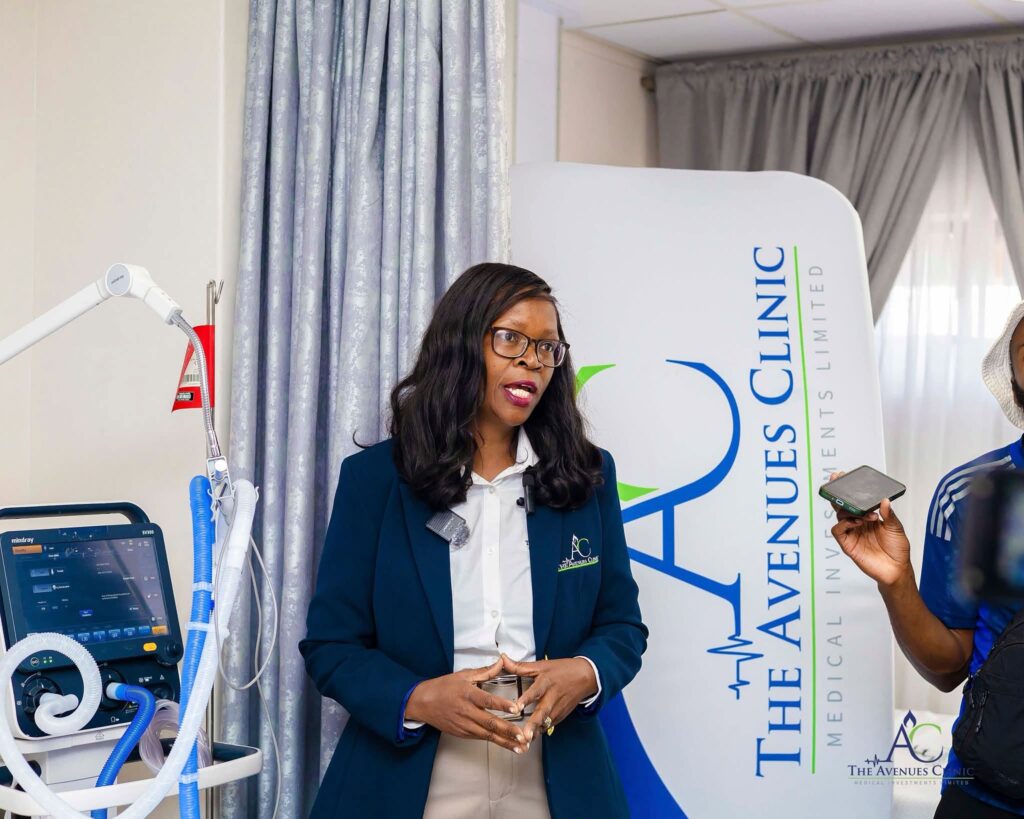
The investment reflected a growing shift towards technology-driven healthcare, with the hospital seeking to use digital and automated systems to improve the monitoring of critically ill patients while easing pressure on medical staff. Speaking during the commissioning of the upgraded units on Monday, Avenues Clinic managing director Sibusisiwe Ndhlovu said technology was becoming an important tool in improving patient care.
“We are using technology to help them do their work. They are less stressed; they can just check the monitor, and then they can come and attend to the patient,” Ndhlovu said.
The refurbished critical care units are now equipped with new Mindray patient monitors, while redesigned bed-head systems have brought medical gases, electrical outlets and monitoring equipment into a centralised system at each bedside.
Ndhlovu said the new configuration would improve safety and efficiency by reducing the need for staff to share power outlets and move equipment around patients.
“What this simply means is that all our machines are on one point. We are not sharing plugs and, in terms of safety for the patient and good clinical outcomes, we now have it all here,” she said.
The hospital has also introduced moisture detection devices beneath patients’ mattresses which alert nurses when moisture is detected, allowing them to respond quickly to patients who may be unable to communicate or assist themselves.
“This will help the nurse to know when something is happening with this patient so they will quickly come and attend to them,” Ndhlovu said.
A major expansion has also been made to dialysis infrastructure, with access points in the ICU, HDU and CCU increasing from one to 13.
Ndhlovu said the hospital would continue investing in modern technology and infrastructure to ensure Zimbabweans could access high-quality healthcare without having to seek treatment outside the country.
Private health facilities in the country are increasingly investing in modern diagnostic and critical-care technologies to meet growing domestic demand.