


STAFF WRITER
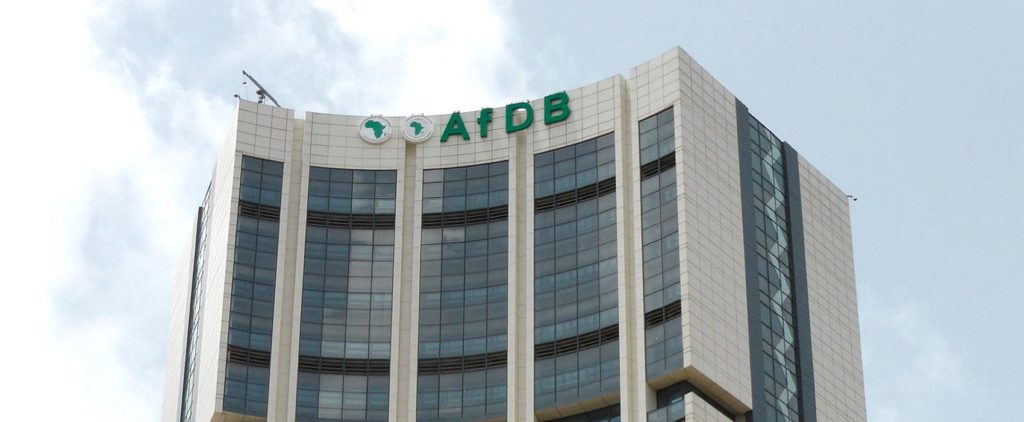
A HIGH-LEVEL delegation from the African Development Bank Group (AfDB) arrives in the country tomorrow for strategic engagements on the proposed Glassblock Bopoma dam and pipeline project, in what marks a significant step forward for one of Matabeleland’s most closely watched water infrastructure investments.
The five-day mission, running from May 11 to 15, comes as the government accelerates efforts to unlock long-term capital for critical infrastructure under the National Development Strategy 2 and the devolution agenda, positioning the project as a key pillar in Bulawayo’s future water security architecture.
The proposed US$100 million project, being advanced through a public-private partnership model by the J.R. Goddard Consortium, is expected to deliver a major boost to Bulawayo’s strained water supply system through a 130 million cubic metre dam and a 32-kilometre pipeline linking the reservoir to the Ncema water system.


The AfDB delegation, led by the Water Security Division manager for Southern and Eastern Africa, Mecuria Assefaw, is expected to engage key government ministries, Zinwa, Zida, Bulawayo City Council, financiers, and project sponsors on the project’s technical, commercial, environmental, and financing framework.
Under the proposed structure, the Bulawayo City Council is expected to serve as the water off-taker, while the Zimbabwe National Water Authority (Zinwa) is playing a central role in the technical and institutional processes underpinning the development.
The mission follows growing interest from regional and international financiers in the project, amid indications of increasing investor confidence in Zimbabwe’s infrastructure sector and the government’s broader drive to crowd in private capital into strategic public assets.
Stakeholder engagements are expected to centre on project structuring, financing arrangements, environmental and social safeguards, implementation requirements, and a proposed Water Purchase Agreement viewed as central to the project’s bankability.
Officials involved in the process say the government has played an enabling role in coordinating engagements between financiers, project sponsors, and public institutions, particularly around off-take arrangements, institutional alignment, and investment mobilisation frameworks required for large-scale infrastructure delivery.
The project is being positioned as complementary to the ongoing Gwayi-Shangani Dam initiative and is expected to strengthen medium-term water resilience for Bulawayo while supporting industrial growth, commercial expansion, and broader regional economic development.
Once completed, Glassblock Bopoma would become Bulawayo’s seventh supply dam and is projected to deliver an additional 68 megalitres of water daily to a city that has for years grappled with recurring shortages driven by low rainfall patterns and constrained storage capacity.
The upcoming AfDB engagements are also expected to test investor appetite and institutional readiness around one of Zimbabwe’s emerging infrastructure transactions, as authorities push to deepen development finance participation in water security projects with long-term economic impact.